

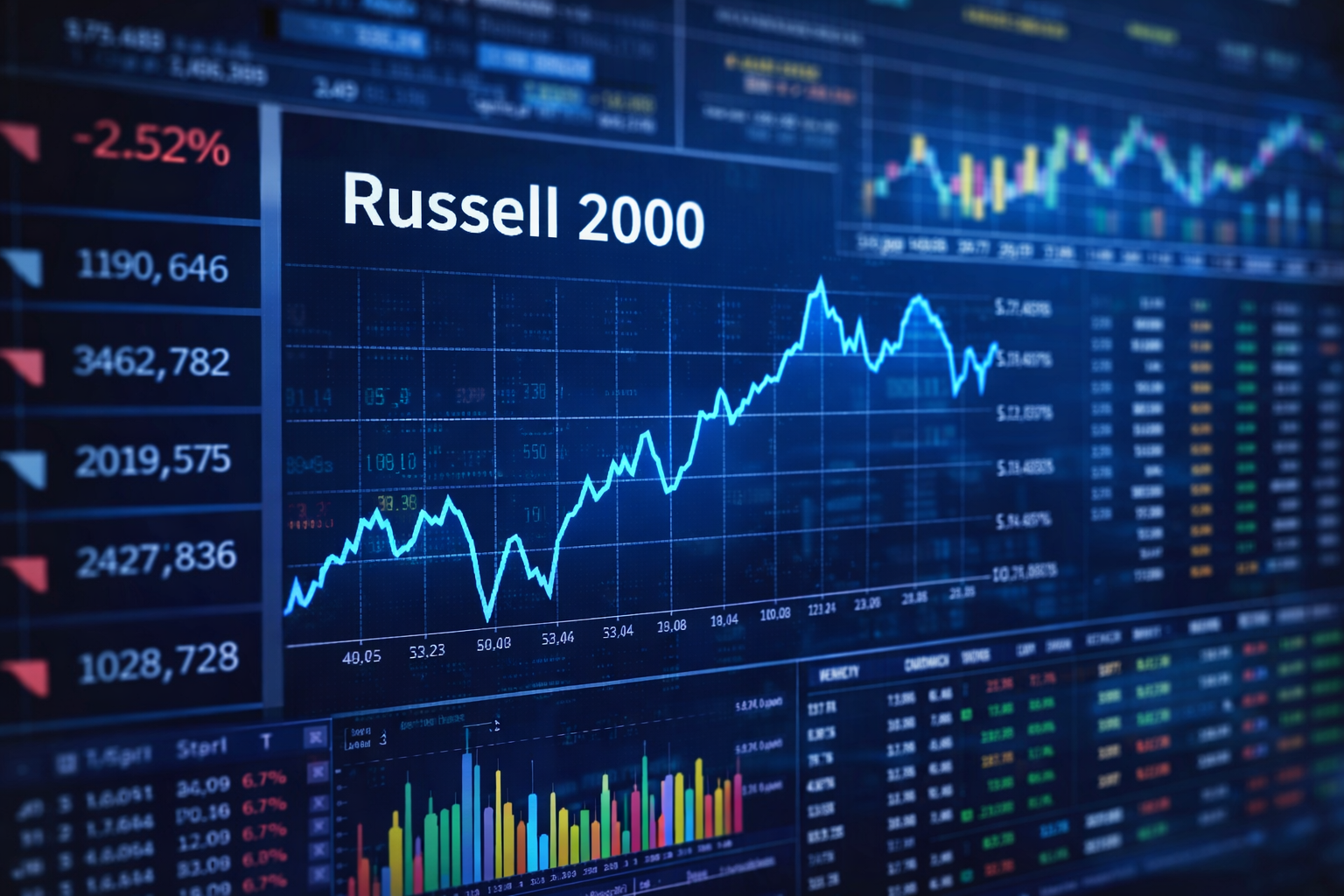

The fintechzoom.com russell 2000 page has become a popular place for investors who want to understand small-cap stocks in simple words. Many people search for this keyword because they want live data, clear charts, and easy market updates. In this guide, we will break down how the index works, how banking trends affect it, and why it matters for today’s market.
What Is the Russell 2000 Index?
The Russell 2000 Index tracks around 2,000 small-cap companies in the United States. These companies are smaller than the giants listed in the S&P 500. The index is part of the larger Russell 3000 Index, which includes both big and small businesses.
Small-cap companies usually have a lower market value, but they often grow faster. Because of this, they can offer strong returns during good economic times. However, they are also more sensitive to market risk, interest rate changes, and economic slowdowns.
Why Investors Follow Fintechzoom.com Russell 2000
Many investors use fintechzoom.com russell 2000 to monitor daily price movements and deeper analysis. The platform offers charts, technical tools, and performance updates that help users understand market direction in real time.
Unlike simple news pages, fintechzoom.com russell 2000 provides historical data and sector breakdowns. This helps investors see how industries like technology, healthcare, and financial services are performing inside the index.
How the Index Is Structured
The Russell 2000 Index includes companies from many sectors. These include technology firms, retail brands, healthcare providers, energy companies, and financial institutions. No single company controls the index because it is weighted by market value.
Every year, the index goes through a process called annual reconstitution. During this event, companies are added or removed based on their size and market ranking. This keeps the index accurate and updated with current market conditions.
Current Performance Trends
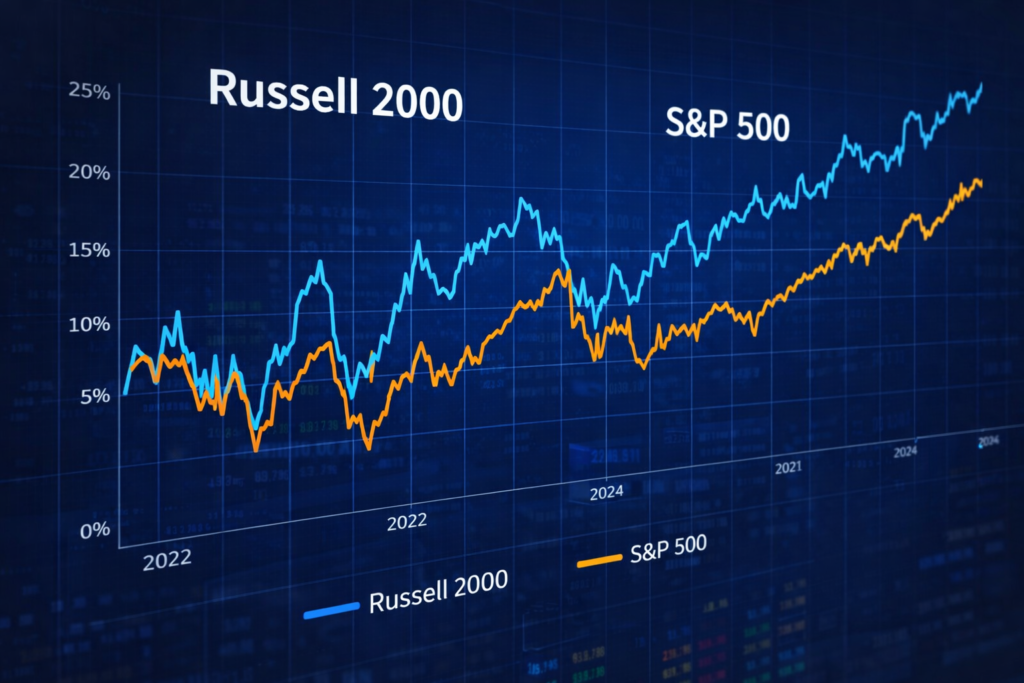
In recent years, small-cap stocks have shown periods of strong growth and sharp declines. The fintechzoom.com russell 2000 section often highlights when the index outperforms the S&P 500 or falls behind it.
For example, during economic recovery phases, small companies often grow faster than large corporations. Investors track fintechzoom.com russell 2000 to see whether small businesses are gaining strength or facing pressure from inflation and rate hikes.
Volatility and Market Behavior
Small-cap stocks are known for higher volatility. This means prices can rise or fall quickly. The fintechzoom.com russell 2000 charts often show sharper daily swings compared to large-cap indexes.
This volatility happens because smaller companies depend more on borrowing, consumer demand, and domestic economic growth. If economic data looks strong, the index can climb quickly. If data is weak, it may fall faster than major indexes.
The Role of Banking in Small-Cap Performance
Banking plays a major role in small-cap growth. Many companies in the Russell 2000 Index rely on bank loans to expand operations, hire workers, or invest in new projects. That is why the secondary keyword banking banking fintechzoom.com russell 2000 is important in understanding overall performance.
When banks tighten lending standards or interest rates rise, small companies may struggle to borrow money. This often impacts fintechzoom.com russell 2000 performance because higher borrowing costs reduce profits and slow expansion.
Interest Rates and Federal Policy
The Federal Reserve strongly influences the Russell 2000. When the Fed increases interest rates, borrowing becomes more expensive. Small businesses feel this pressure quickly.
Investors watching fintechzoom.com russell 2000 often pay attention to Federal Reserve meetings, inflation data, and employment reports. These events can move the index sharply within hours.
Sector Breakdown Inside the Index
The financial sector is an important part of the Russell 2000. Regional banks and small financial institutions are included in the index. This means banking performance directly affects index movement.
Technology and healthcare also play key roles. When innovation grows or healthcare spending increases, these sectors can push fintechzoom.com russell 2000 higher. A balanced sector mix makes the index a strong indicator of overall small-business health.
Comparing Russell 2000 With S&P 500
The S&P 500 focuses on large, well-established corporations. In contrast, the Russell 2000 represents smaller firms with more growth potential but higher risk.
During strong economic expansion, fintechzoom.com russell 2000 often shows faster percentage gains. During recessions or financial stress, it may decline more than large-cap indexes. This comparison helps investors decide how much risk they want in their portfolio.
Technical Analysis on Fintechzoom.com
Technical tools are important for traders. The fintechzoom.com russell 2000 page includes moving averages, trend lines, and performance indicators.
Short-term traders look at daily and weekly charts to find entry points. Long-term investors study historical trends to understand long cycles of growth and decline.
Economic Indicators That Influence Performance
Several key indicators affect the index. These include inflation rates, unemployment data, consumer spending, and manufacturing reports.
When economic data shows strength, fintechzoom.com russell 2000 often reacts positively. Weak data may lead to declines, especially if investors expect slower business growth.
Risks Investors Should Understand
Investing in small-cap stocks carries higher risk. Companies may have lower cash reserves and higher debt compared to large corporations.
Fintechzoom.com russell 2000 helps investors track these risks by providing updated data and analysis. Understanding volatility and economic sensitivity is important before investing in this segment.
Opportunities for Growth
Despite risks, small-cap stocks can offer strong long-term growth. Many successful large companies once started as small-cap firms.
Investors monitor fintechzoom.com russell 2000 to find early signs of growth trends. When banking conditions are supportive and interest rates are stable, small-cap companies often expand quickly.
Why Small Caps Reflect Domestic Economy
Most companies in the Russell 2000 operate mainly inside the United States. This makes the index a strong indicator of domestic economic health.
If local businesses grow, hire more workers, and increase production, fintechzoom.com russell 2000 performance usually improves. That is why analysts use it as a signal of internal economic strength.
Long-Term Historical Performance
Historically, the Russell 2000 Index has delivered competitive returns over long periods. However, performance often moves in cycles.
There are years when small caps outperform large caps, followed by years of underperformance. Watching fintechzoom.com russell 2000 helps investors understand where the cycle currently stands.
Portfolio Diversification Strategy
Many investors use the Russell 2000 for diversification. Adding small-cap exposure can balance a portfolio heavily invested in large corporations.
By tracking fintechzoom.com russell 2000, investors can decide when to increase or reduce small-cap allocation based on market conditions and banking stability.
The Impact of Global Events
Although the index focuses on U.S. companies, global events still matter. Trade policies, energy prices, and international crises can affect investor confidence.
During uncertain times, fintechzoom.com russell 2000 may experience strong price swings. Global stability often supports stronger small-cap performance.
Frequently Asked Questions (FAQs)
1. What is fintechzoom.com russell 2000?
It is a page that provides live data, charts, and analysis about the Russell 2000 Index, which tracks 2,000 small-cap U.S. companies.
2. Why is the Russell 2000 important for investors?
It shows the performance of small businesses and reflects the health of the U.S. domestic economy.
3. How does banking affect the Russell 2000?
Small companies depend on loans, so changes in interest rates and bank lending directly impact index performance.
4. Is the Russell 2000 more volatile than the S&P 500?
Yes, small-cap stocks usually move faster up and down compared to large-cap stocks.
5. Who should follow fintechzoom.com russell 2000?
New investors, traders, and anyone interested in small-cap growth and market trends.
Conclusion
The Russell 2000 Index is a powerful measure of small-cap performance in the United States. It reflects domestic growth, banking conditions, and investor confidence. Because small companies depend heavily on borrowing and local demand, changes in interest rates and banking policies can quickly impact results.
The fintechzoom.com russell 2000 page provides valuable tools, charts, and analysis to understand these movements clearly. By studying sector trends, economic indicators, and Federal Reserve actions, investors can make more informed decisions. Whether you are a new investor or experienced trader, following fintechzoom.com russell 2000 can help you better understand current market performance and future opportunities.
For More Interesting Information Visit: CDPCS NEWS
