

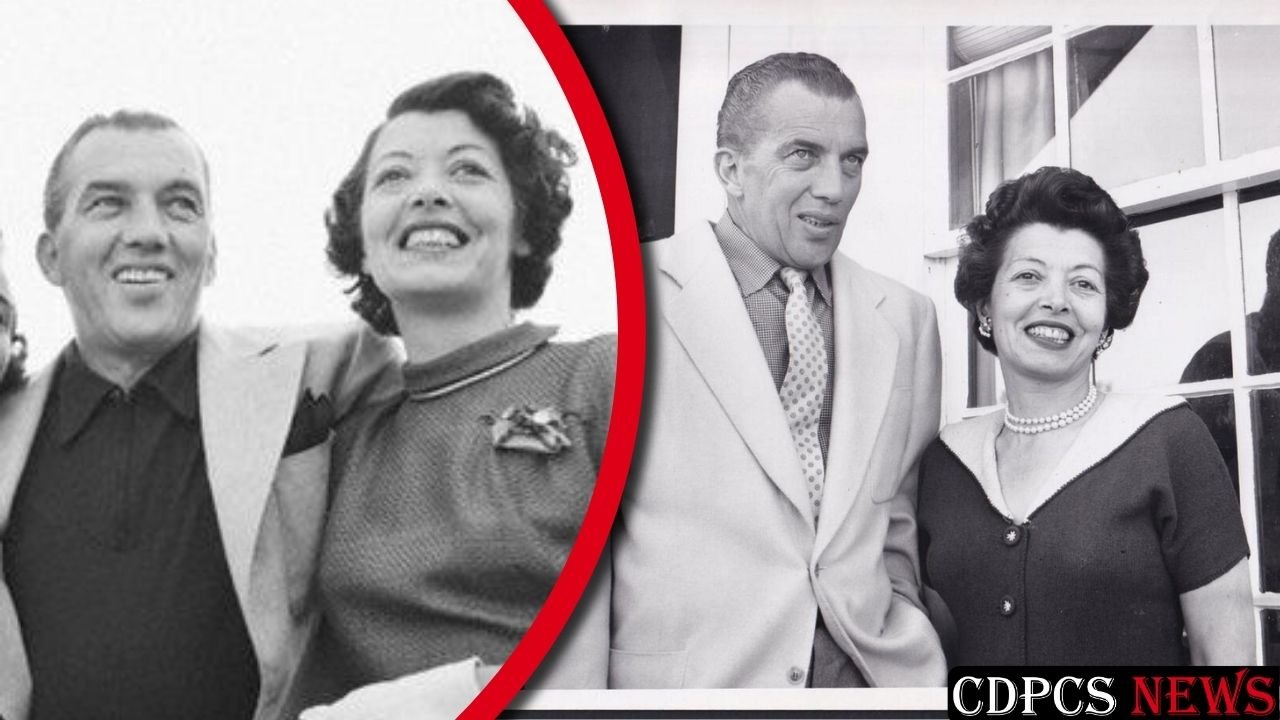

Sylvia Weinstein is best known as the wife of Ed Sullivan, one of the most powerful television figures in American history. While her husband stood in the spotlight hosting The Ed Sullivan Show, she lived a much quieter life. Still, her story is important because she was the emotional support behind a man who shaped modern entertainment. Understanding her life helps us understand the personal side of Ed Sullivan and the era he lived in.
Quick Bio Table of Sylvia Weinstein
| Field | Details |
|---|---|
| Full Name | Sylvia Weinstein |
| Known For | Wife of Ed Sullivan |
| Birth Year | Early 1900s (exact date unknown) |
| Birthplace | United States |
| Ethnicity | Jewish |
| Religion | Judaism |
| Husband | Ed Sullivan |
| Marriage Date | April 28, 1930 |
| Children | 1 (Elizabeth “Betty” Sullivan) |
| Famous Connection | The Ed Sullivan Show |
| Cause of Death | Esophageal cancer |
| Death Date | March 16, 1973 |
| Place of Death | New York City, USA |
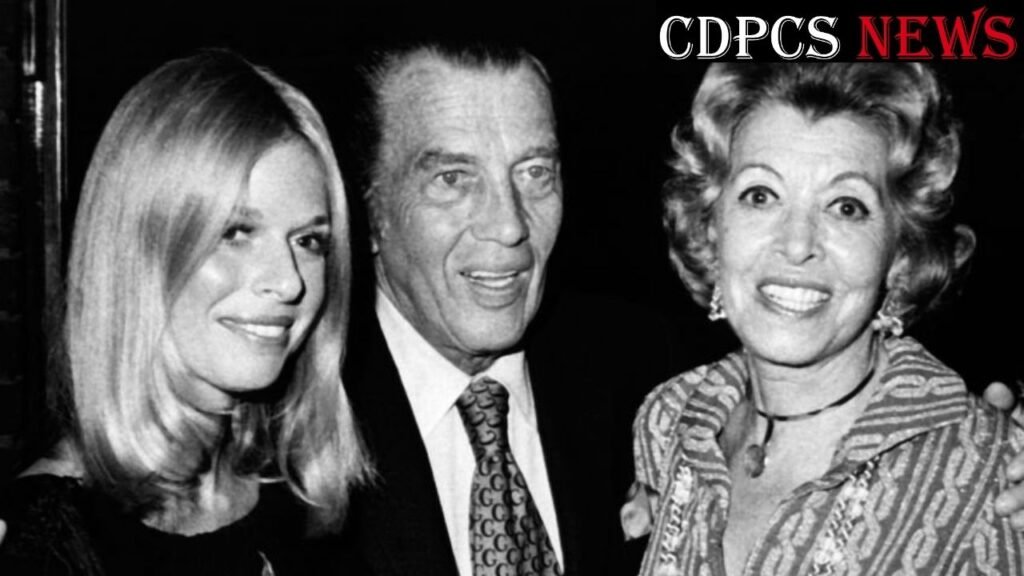
Early Life and Family Background
Sylvia Weinstein was born in the United States in the early 1900s. Exact records of her birth date are limited, which was common for women of her generation. She grew up in a Jewish family, and her upbringing strongly influenced her values, discipline, and sense of family. Her background later became important when she chose to marry someone from a different religion.
At the time, American society was not very open to interfaith relationships. Because of this, her early life was shaped by tradition, expectations, and strong family ties. These factors later played a role in the challenges she faced while building her own family life.
Meeting Ed Sullivan
Sylvia Weinstein met Ed Sullivan in 1926, long before he became a television legend. At that time, Sullivan was working as a newspaper columnist and theater critic in New York City. Their relationship grew slowly, based on trust and shared ambition rather than fame.
Their romance was not easy. Ed was Roman Catholic, and Sylvia was Jewish, which created serious objections from both families. Despite this pressure, they stayed together. Their relationship showed strong commitment at a time when many couples would have given up.
Marriage and Elopement
After several years of resistance from family members, Sylvia Weinstein and Ed Sullivan decided to elope. They married on April 28, 1930, in a quiet civil ceremony. This decision showed courage and independence, especially during a period when social rules were very strict.
Their marriage lasted more than four decades, which was rare in the entertainment world. Even though Ed became famous later, they kept their personal life private. Their bond remained strong through changing careers and public pressure.
Life as Ed Sullivan’s Wife
Once Ed Sullivan’s career grew, Sylvia Weinstein chose to stay away from public attention. She did not appear regularly in the media and avoided interviews. Instead, she focused on her role as a wife and mother, supporting Ed behind the scenes.
She was known to be calm, intelligent, and emotionally strong. Friends of the family described her as someone who helped Ed stay grounded. While Ed dealt with performers, producers, and executives, she helped manage the stress that came with fame.
The Ed Sullivan Show Era
When The Ed Sullivan Show premiered in 1948, television was changing American culture. The show introduced legendary performers such as Elvis Presley, The Beatles, The Supremes, and Johnny Cash. During this intense period, Sylvia Weinstein remained a steady presence in Ed’s life.
She often helped him handle criticism and pressure from networks. Although she had no official role on the show, her emotional support was critical. Many biographers agree that Ed’s long success was partly due to the stability of his home life.
Motherhood and Family Life
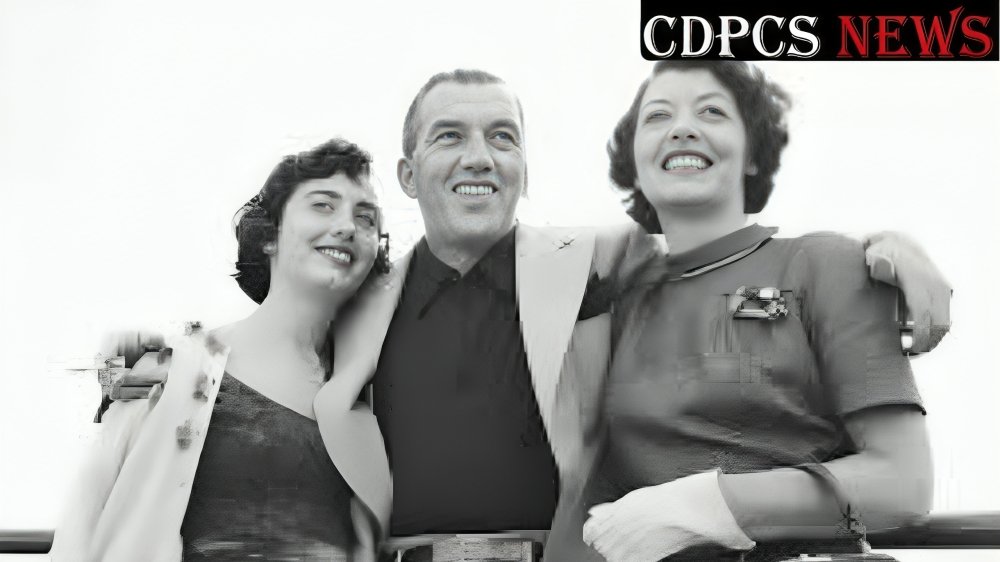
Sylvia Weinstein and Ed Sullivan had one child, a daughter named Elizabeth “Betty” Sullivan. She was born in 1931, not long after their marriage. Sylvia focused heavily on raising her daughter in a disciplined but loving home.
Family was always her top priority. Even as Ed traveled and worked long hours, she maintained a stable environment for their child. This balance helped protect their daughter from the pressures of celebrity life.
Personality and Private Nature
Unlike many spouses of famous figures, Sylvia Weinstein avoided public events. She rarely appeared at Hollywood parties and did not seek social status. This made her different from many celebrity wives of her time.
People who knew her described her as thoughtful and observant. She preferred listening over speaking and valued privacy above attention. Her personality perfectly matched Ed Sullivan’s reserved and serious nature.
Ethnicity, Race, and Common Questions
Many people search online asking about Sylvia Weinstein’s ethnicity and race. She was Jewish by heritage, and there is no historical evidence that she was Black. Confusion often comes from misinformation and name similarities.
She was also not related to Harvey Weinstein. The shared surname has caused rumors, but there is no family connection between them. These clarifications are important for accurate historical understanding.
Confusion With Other Names
Another frequent misunderstanding involves wedding cakes. Sylvia Weinstein is often confused with Sylvia Weinstock, a famous luxury cake designer. They are two completely different people, with different careers and life stories.
Sylvia Weinstock became famous decades later for high-end wedding cakes. Ed Sullivan’s wife had no professional link to baking or fashion. Clearing this confusion helps readers find correct information.
Health Struggles and Death
In her later years, Sylvia Weinstein faced serious health problems. She was diagnosed with esophageal cancer, a difficult illness that affects swallowing and nutrition. Her condition worsened over time despite treatment.
She passed away on March 16, 1973, in New York City. Her death deeply affected Ed Sullivan, who had depended on her emotionally for most of his adult life.
Ed Sullivan After Her Death
After losing Sylvia Weinstein, Ed Sullivan’s health declined quickly. Friends noticed he became quieter and more withdrawn. Just one year later, in 1974, Ed Sullivan also passed away.
Many historians believe the loss of his wife weakened his spirit. Their deaths so close together show how deeply connected they were. Their marriage remained one of loyalty rather than glamour.
Obituary and Public Reaction
At the time of her death, Sylvia Weinstein did not receive wide media coverage. This was consistent with how she lived her life—quietly and privately. Still, obituaries noted her role as Ed Sullivan’s lifelong partner.
Those who knew the couple spoke about her strength and dignity. She was remembered as a woman who chose family over fame and stability over attention.
Legacy and Historical Importance
Although Sylvia Weinstein was not a public figure, her legacy lives through Ed Sullivan’s work. Behind one of the most influential TV shows in history was a stable home and a supportive marriage.
Her life reminds us that success is often built with unseen support. She represents countless women whose influence is felt but rarely documented.
Frequently Asked Questions
1. Who was Sylvia Weinstein?
Sylvia Weinstein was the wife of Ed Sullivan, the famous American television host of The Ed Sullivan Show.
2. Was Sylvia Weinstein related to Harvey Weinstein?
No, Sylvia Weinstein had no family connection to Harvey Weinstein. The surname similarity causes confusion.
3. What was Sylvia Weinstein’s ethnicity?
She came from a Jewish background and was raised in a traditional family environment.
4. How did Sylvia Weinstein die?
She died on March 16, 1973, from esophageal cancer in New York City.
5. Did Sylvia Weinstein have children?
Yes, she had one daughter, named Elizabeth “Betty” Sullivan.
Final Thoughts
The story of Sylvia Weinstein is not about celebrity but about commitment, patience, and quiet strength. She stood beside a man who changed television while choosing a private path for herself.
By learning about her life, we gain a deeper understanding of Ed Sullivan not just as a host, but as a husband and father. Her story deserves recognition as part of American cultural history.
