

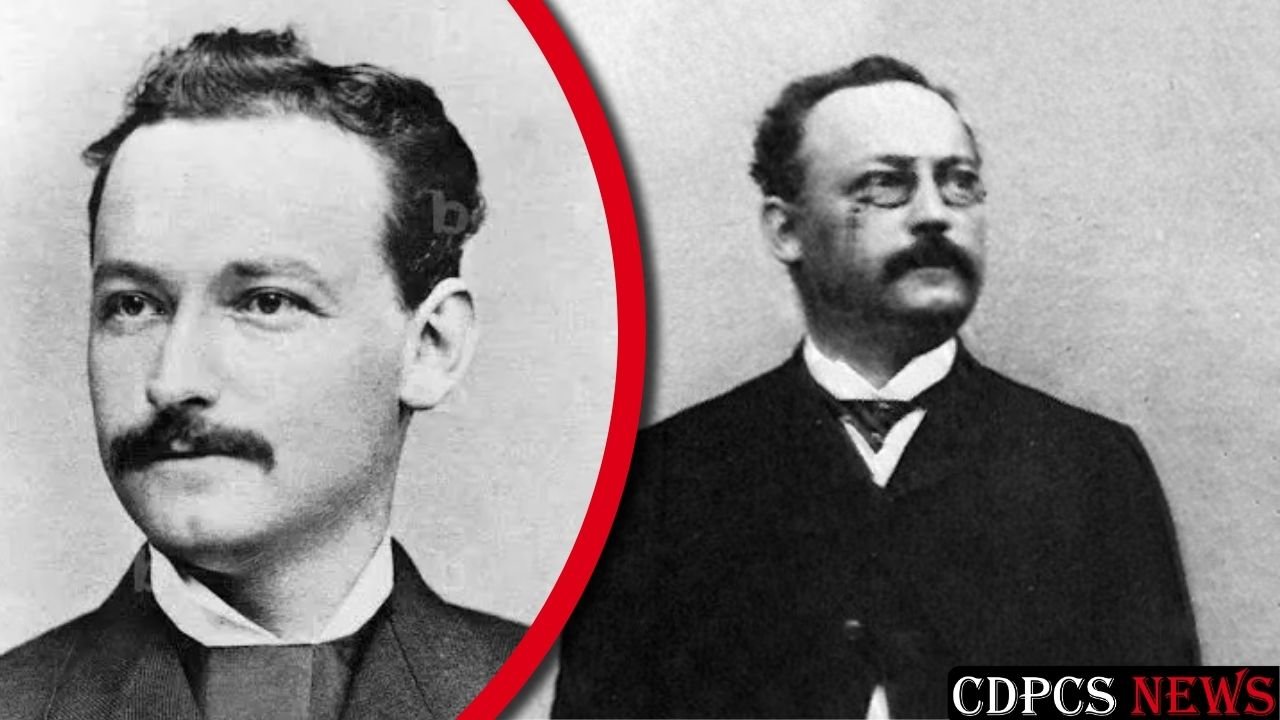

Hermann Einstein was the father of Albert Einstein, the brilliant physicist who changed our understanding of the universe. Born on 30 August 1847 in Buchau, Germany, Hermann came from a German-Jewish family. He was a businessman and electrical engineer, whose work and character shaped the environment in which Albert Einstein grew up. Hermann’s life was full of challenges, hard work, and dedication to his family, which influenced Albert from an early age. Learning about Hermann gives us insight into how Albert Einstein became a genius.
Quick Bio Table of hermann einstein
| Attribute | Details |
|---|---|
| Full Name | Hermann Einstein |
| Date of Birth | 30 August 1847 |
| Place of Birth | Buchau, Germany |
| Date of Death | 10 October 1902 |
| Place of Death | Milan, Italy |
| Age at Death | 55 years |
| Nationality | German |
| Occupation | Businessman, Electrical Engineer |
| Spouse | Pauline Koch |
| Children | Albert Einstein, Maja Einstein |
| Parents | Abraham Einstein, Helene Moos |
| Siblings | 6 siblings |
| Notable Contribution | Co-founder of Elektrotechnische Fabrik J. Einstein & Cie |
Early Life and Family Background
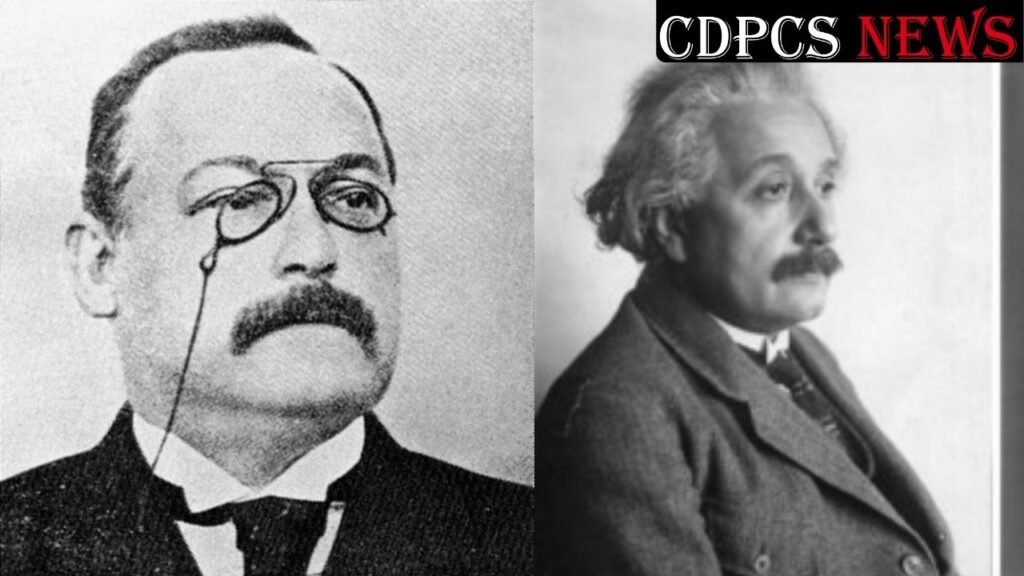
Hermann was born to Abraham Einstein and Helene Moos in the mid-19th century. He had six siblings, making him part of a busy and tight-knit family. From childhood, Hermann showed interest in mechanics and trade. Despite having limited formal education due to financial restrictions, he trained as a merchant and learned business skills that would later define his career. Hermann’s upbringing in a Jewish household in Buchau gave him both a moral foundation and a strong work ethic.
Hermann’s family was typical of the German-Jewish community of the time. His father, Abraham Einstein, was a small business owner who valued education and practical knowledge. The household emphasized responsibility, discipline, and learning, which became central values in Hermann’s own parenting. These early experiences prepared Hermann to face the business and personal challenges that came later in life.
Marriage to Pauline Koch
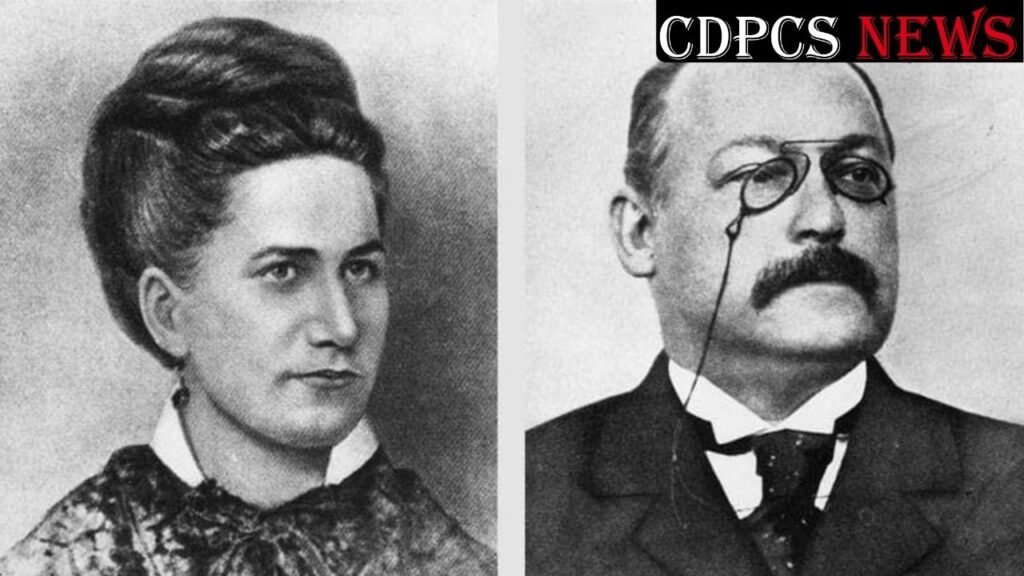
In 1876, Hermann married Pauline Koch in Cannstatt, Germany. Pauline came from a supportive family and shared Hermann’s values of education and responsibility. Together, they had two children: Albert Einstein, born in 1879, and Maja Einstein, born in 1881. Hermann and Pauline’s marriage created a nurturing environment that encouraged intellectual curiosity and moral values.
Hermann and Pauline supported each other through financial ups and downs. Pauline was deeply involved in the household, providing stability while Hermann pursued his career. Their teamwork and dedication to family life allowed Albert and Maja to thrive in a challenging world. The couple’s partnership shows how Hermann’s personal life was closely tied to his values of responsibility and learning.
Hermann’s Early Career
Hermann Einstein began his career as a merchant before entering the growing field of electrical technology. Alongside his brother Jakob Einstein, he co-founded the company Elektrotechnische Fabrik J. Einstein & Cie in Munich. The company manufactured arc lamps, dynamos, and electrical equipment, contributing to the early electrification of southern Germany.
Despite their skills and hard work, Hermann and Jakob faced tough competition from larger companies like Siemens and AEG. The market was dominated by well-funded corporations, making it difficult for smaller businesses to survive. Hermann’s experience in this competitive environment taught him resilience, problem-solving, and patience qualities he later passed on to Albert Einstein.
Business Challenges and Relocation
Running a small electrical company in the 19th century was never easy. Hermann faced financial stress, market pressures, and the challenge of keeping up with rapidly evolving technology. Eventually, the business could not compete effectively with larger rivals. In response, Hermann moved the family to Italy, seeking better opportunities.
Relocating was difficult for the family. Albert and Maja had to adapt to new schools and cultures, while Hermann worked tirelessly to rebuild his business. This period taught Albert valuable lessons about adaptability, persistence, and the importance of creative thinking lessons he later credited in part to his father’s guidance.
Influence on Albert Einstein
Hermann Einstein played a key role in shaping Albert’s early interest in science and mathematics. From a young age, Albert was fascinated by mechanical devices, and Hermann nurtured this curiosity. He often took Albert to visit electrical factories, explained how dynamos worked, and encouraged experimentation at home.
Hermann’s guidance helped Albert develop critical thinking skills and a practical understanding of physics. These experiences at home were as important as formal schooling, providing Albert with a foundation that would later support his revolutionary scientific discoveries. Hermann’s encouragement of curiosity and experimentation was one of his most important legacies.
Parenting Style and Education
Hermann’s parenting style combined discipline, support, and inspiration. He valued education and wanted his children to learn through both formal schooling and practical experience. When the family faced financial difficulties, Hermann ensured that Albert’s education continued uninterrupted, even relocating to maintain school access.
He also instilled a sense of moral responsibility and ethical behavior. Hermann’s example of hard work, honesty, and perseverance left a lasting impact on Albert, shaping not only his intellectual development but also his character. This guidance helped Albert navigate the challenges of life and science later on.
Personal Traits and Skills
Hermann Einstein was known for his mechanical skills, business acumen, and resilience. While he did not achieve the fame of his son, his abilities were remarkable for his time. He combined practical knowledge with creativity, building and managing a company in a competitive industry.
Though there are no records of Hermann’s IQ, his work demonstrates intelligence, strategic thinking, and problem-solving abilities. He taught these skills informally to Albert, who later applied them in his scientific endeavors. Hermann’s practical intelligence complemented Albert’s theoretical genius.
Later Years and Death
Hermann Einstein died on 10 October 1902 in Milan, Italy, at the age of 55. Sources suggest his death was caused by heart failure or stress-related complications. At the time, Albert Einstein was studying in Zurich, and Hermann’s death was a deeply emotional moment for the family.
Despite his early death, Hermann’s influence endured. The values he taught curiosity, resilience, and dedication continued to guide Albert throughout his life. Hermann’s work, struggles, and parenting laid the foundation for Albert Einstein’s future achievements in physics.
Legacy and Contribution
Hermann Einstein’s legacy is most visible through the accomplishments of his children. His business work, though modest, helped introduce electrical technology to parts of Germany and Italy. More importantly, his encouragement, mentorship, and values directly influenced Albert Einstein, shaping one of history’s greatest scientific minds.
Hermann’s resilience in the face of business challenges also demonstrated the importance of perseverance. By observing his father, Albert learned to face problems creatively and persistently. Hermann’s life shows that parenting and personal influence can be as important as formal education in shaping genius.
Challenges of the 19th-Century Entrepreneur
Hermann Einstein’s life also highlights the difficulties faced by small business owners in the 19th century. Competing with large corporations, dealing with economic pressures, and managing family responsibilities were constant challenges. Hermann’s ability to balance these demands while caring for his family demonstrates exceptional determination and skill.
These experiences likely influenced Albert Einstein’s own approach to challenges. By watching his father work tirelessly, Albert learned that success required dedication, innovation, and practical thinking. Hermann’s life serves as a lesson in resilience and the importance of nurturing talent.
Frequently Asked Questions
- Who was Hermann Einstein?
Hermann Einstein was the father of Albert Einstein, a German-Jewish businessman and early electrical engineer. - When and where was Hermann Einstein born?
He was born on 30 August 1847 in Buchau, Germany. - What was Hermann Einstein’s job?
Hermann co-founded Elektrotechnische Fabrik J. Einstein & Cie and worked in electrical engineering and sales. - Who were Hermann Einstein’s children?
He had Albert Einstein and Maja Einstein with his wife Pauline Koch. - When did Hermann Einstein die and what was the cause?
He died on 10 October 1902 in Milan, Italy, likely due to heart failure or stress-related complications.
Conclusion
Hermann Einstein was more than just the father of Albert Einstein; he was a dedicated mentor, businessman, and guiding influence in his children’s lives. Born in Buchau, Germany, Hermann built a career in electrical engineering and business, co-founding Elektrotechnische Fabrik J. Einstein & Cie with his brother. Despite facing financial challenges and strong competition, he worked hard to support his family and provide his children with opportunities for education and growth. Hermann’s encouragement of Albert Einstein’s curiosity in science, his practical lessons, and his resilience in the face of difficulties shaped Albert’s early development and future genius. His values of hard work, responsibility, and persistence created an environment where talent could flourish. Though Hermann died young at 55 in Milan, Italy, his legacy lives on through Albert Einstein’s extraordinary achievements and the inspiration he provided to generations seeking to understand the roots of genius.
