

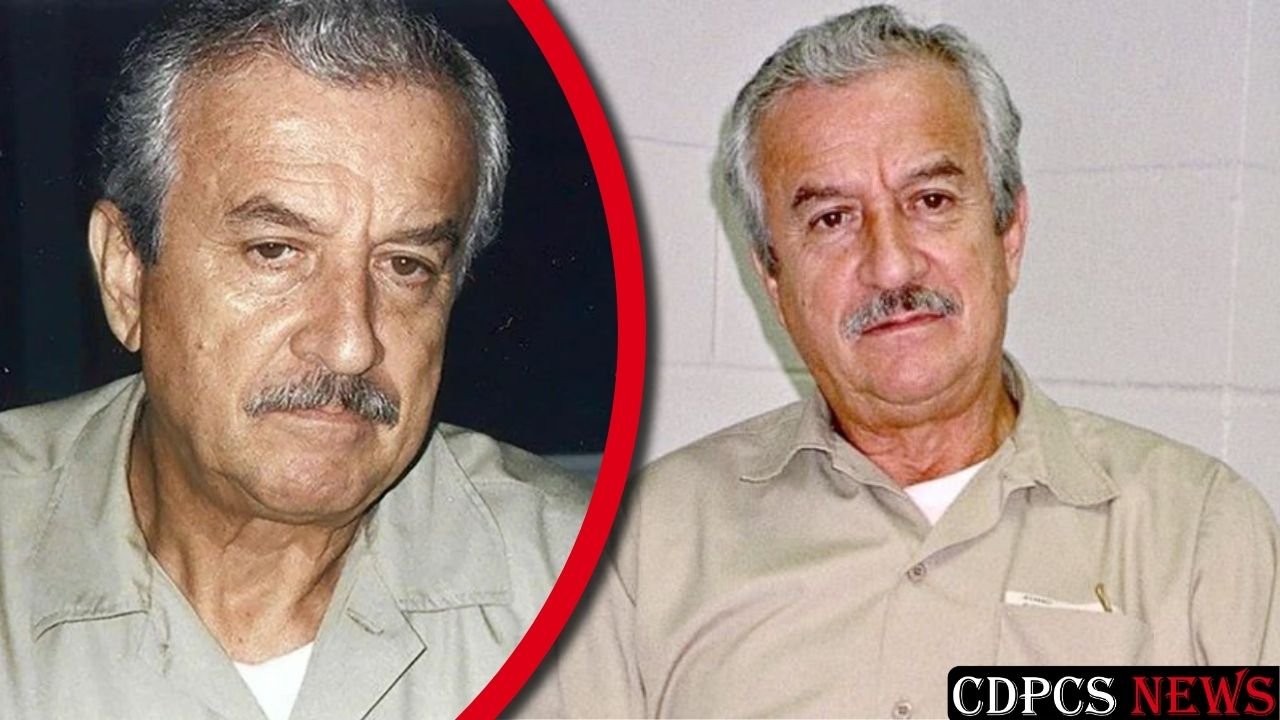

Rubén Zuno Arce is a name that often comes up in discussions about the DEA Agent Enrique “Kiki” Camarena case. He was a Mexican businessman and political figure who became infamous due to his alleged connection with the Guadalajara cartel. Prosecutors accused him of helping organize and protect those responsible for Camarena’s kidnapping and murder. In this article, we explore his real life, family ties, capture, trial, and legacy, giving a complete picture of this controversial figure.
Quick Bio Table of ruben zuno arce
| Attribute | Details |
|---|---|
| Full Name | Rubén Zuno Arce |
| Nationality | Mexican |
| Born | Unknown (20th century) |
| Family | Sister: María Esther Zuno; Brother-in-law: President Luis Echeverría |
| Occupation | Businessman, Political figure |
| Known For | Alleged role in DEA Agent Enrique Camarena murder |
| Cartel Connection | Guadalajara cartel |
| Role in Crime | Provided political protection and property used by cartel |
| Arrested | 1989 in San Antonio, Texas |
| Trial | Convicted in 1992, California federal court |
| Sentence | Life imprisonment |
| Died | 2012, U.S. prison, natural causes |
| Media Portrayal | Narcos: Mexico (fictionalized elements) |
Early Life of Rubén Zuno Arce
Rubén Zuno Arce was born into a politically prominent family in Mexico. His father, José Guadalupe Zuno, served as the governor of Jalisco, and his sister, María Esther Zuno, married Mexican President Luis Echeverría, making him the president’s brother-in-law. This relationship placed him at the heart of political and social circles in Mexico. From an early age, he was exposed to politics and public life, giving him access to elite networks that later became relevant to his legal troubles.
He studied economics and held positions in government offices during the mid-20th century. His political and social status made him a visible figure in Guadalajara. While he was publicly known as a businessman, reports suggest he also had links to drug trafficking circles, a connection that would become central in the Enrique Camarena murder case.
Family Ties and Political Influence
The most critical aspect of Rubén Zuno Arce’s life was his family connections. His sister, married to President Luis Echeverría, made him part of Mexico’s political elite. This link often raised questions about whether his political position protected him from legal scrutiny.
While TV shows like Narcos: Mexico fictionalized this connection by showing an “uncle” in government, the reality was different. There was no uncle serving as Minister of Defense. The real protection came from his brother-in-law, the president, who had influence in government and law enforcement. This detail is important to distinguish fact from dramatized versions in movies and series.
Business Life and Alleged Cartel Connections
Rubén Zuno Arce was known publicly as a businessman, owning properties and running ventures in Guadalajara. However, U.S. prosecutors alleged he had close ties with the Guadalajara cartel, led by Miguel Ángel Félix Gallardo, one of the most powerful drug traffickers in Mexico at the time.
He allegedly used his social status and family influence to help cartel members avoid police and government intervention. Evidence suggested he introduced cartel leaders to political figures and warned them of raids. One of his mansions was reportedly used to torture and kill DEA Agent Enrique Camarena and his pilot, making him a central figure in the investigation.
Who Was DEA Agent Enrique “Kiki” Camarena?
To understand Rubén Zuno Arce’s role, it is important to know about Enrique “Kiki” Camarena. He was an American DEA agent dedicated to fighting drug trafficking in Mexico. In 1985, he helped lead a raid on a massive marijuana plantation called Rancho Búfalo, a key operation that destroyed millions of dollars in cartel assets.
This operation enraged the Guadalajara cartel, leading to Camarena’s kidnapping, torture, and murder. His death caused a major international crisis, prompting the DEA to launch Operation Leyenda, the largest homicide investigation in its history. Rubén Zuno Arce was later implicated as part of the network that allowed the murder to occur.
How Was Rubén Zuno Arce Involved?
Rubén Zuno Arce was accused of helping the Guadalajara cartel by providing political protection and introducing cartel leaders to influential figures. He allegedly received money from Félix Gallardo to ensure cartel operations could continue without interruption.
Although he denied knowing Camarena or planning his murder, evidence showed his mansion and connections were used in the process. U.S. prosecutors argued that Zuno Arce’s social and political influence made him an essential link between the cartel and government authorities. This role led to his indictment and eventual conviction in the U.S.
Arrest and Extradition
In 1989, Rubén Zuno Arce was arrested in San Antonio, Texas, when immigration officials identified him. His detention surprised many in Mexico due to his political connections. After arrest, he was extradited to the U.S. and faced trial in California for his role in the kidnapping and murder of Enrique Camarena.
His arrest marked a turning point, showing that U.S. authorities were willing to pursue politically connected figures involved in drug crimes. It also highlighted the complexities of U.S.–Mexico relations during the war on drugs.
Trial and Conviction
During his trial, Rubén Zuno Arce maintained his innocence, claiming he had no involvement in cartel activities or Camarena’s murder. His wife testified to support his alibi. However, prosecutors presented evidence of his connections to Félix Gallardo and his mansion being used for the crime.
In 1992, he was convicted of conspiracy, kidnapping, and violent crimes in aid of racketeering. He was sentenced to life in prison in the United States. Appeals confirmed the conviction, ending his legal attempts to overturn the ruling.
Life in Prison and Death
After his conviction, Rubén Zuno Arce served his sentence in the U.S. prison system. He remained there until his death in 2012 due to natural causes, reportedly cancer. His death closed one of the final chapters of the Enrique Camarena case, though his story continues to attract attention in documentaries and series like Narcos: Mexico.
Narcos: Mexico and Media Portrayal
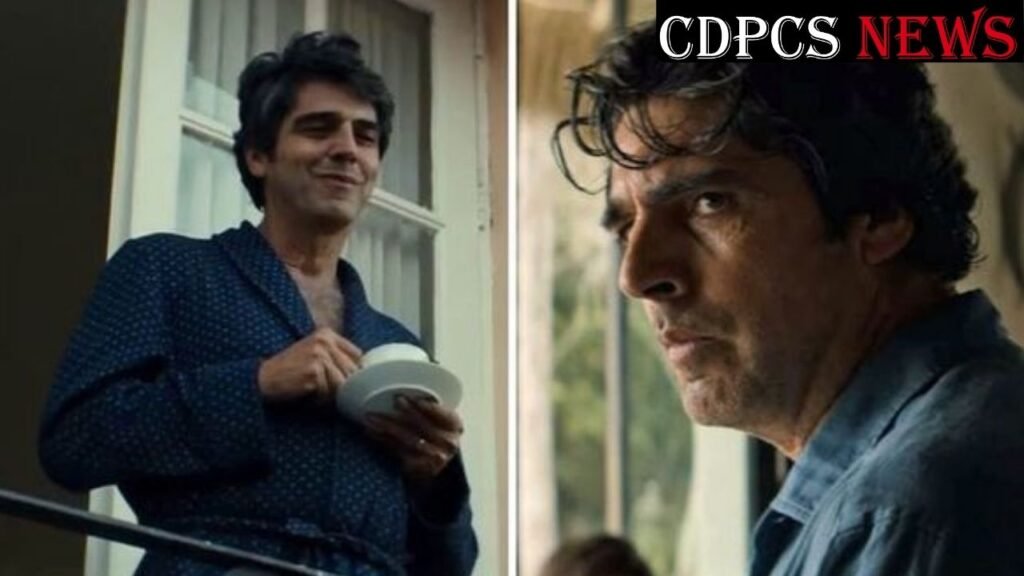
Rubén Zuno Arce has been dramatized in the Netflix series Narcos: Mexico, but the show mixes fact and fiction. In the series, a fictional uncle acts as Minister of Defense, helping the cartel. In reality, the key political link was his brother-in-law, President Luis Echeverría.
While the show helps audiences understand the scale of the cartel’s operations, it is important to distinguish real-life events from fictionalized portrayals. Zuno Arce’s actual involvement was legal and political, not fictionalized.
Legacy and Lessons
Rubén Zuno Arce’s story is a lesson in how political influence and organized crime can intersect. His life showed that family connections, wealth, and power do not prevent consequences when serious crimes occur. His trial and conviction helped expose the Guadalajara cartel’s inner workings and government links.
He remains a figure in DEA history, Mexican politics, and popular culture. His story is a reminder of the dangers of corruption and criminal networks operating with political cover. The case also strengthened U.S.–Mexico cooperation in tackling international drug trafficking.
Real Life vs Fiction
It is important to understand that many portrayals of Rubén Zuno Arce in films and series, including Narcos: Mexico, take creative liberties. The uncle figure protecting cartel operations is fictional. His real-life connections and power came from his family, specifically his relationship with President Luis Echeverría.
Unlike dramatizations, the actual case shows a complex blend of family, politics, and crime. Rubén Zuno Arce’s involvement was legal and political, and his trial exposed cartel operations in Mexico while holding a politically connected individual accountable.
Influence of Political Connections
The case of Rubén Zuno Arce demonstrates how political connections can sometimes shield individuals from law enforcement scrutiny. His position as the president’s brother-in-law complicated the investigation and made him a target for media attention.
Despite this, U.S. authorities pursued the case, showing that even politically influential figures could be held accountable for crimes involving international drug trafficking. The case set a precedent in international cooperation and accountability.
Ruben Zuno Arce’s Real Life and Controversy
In real life, Rubén Zuno Arce was not a typical cartel member. He was a businessman and political figure accused of aiding criminal activities. His mansion and influence were enough to link him to one of the most famous murders of a DEA agent.
His controversial role continues to attract attention in documentaries, books, and news articles. He remains a symbol of how crime, politics, and family ties can intertwine in real life, influencing both legal outcomes and public perception.
Frequently Asked Questions
- Who is Rubén Zuno Arce?
Rubén Zuno Arce was a Mexican businessman and political figure accused of aiding the Guadalajara cartel in the murder of DEA Agent Enrique Camarena. - What was Rubén Zuno Arce’s role in Enrique Camarena’s murder?
He allegedly provided political protection and introduced cartel leaders to influential figures, linking him to the crime. - How was Rubén Zuno Arce captured?
He was arrested in San Antonio, Texas in 1989 and extradited to the U.S. for trial and conviction. - Is Rubén Zuno Arce portrayed in movies or series?
Yes, he is dramatized in Narcos: Mexico, but some characters, like his “uncle minister,” are fictionalized. - When did Rubén Zuno Arce die?
He died in 2012 in U.S. prison due to natural causes, reportedly cancer, after serving a life sentence.
Conclusion
Rubén Zuno Arce was a politically connected businessman accused of aiding the Guadalajara cartel in the kidnapping and murder of DEA Agent Enrique Camarena. Arrested in 1989 and convicted in 1992, he served life in prison and died in 2012. While dramatized in Narcos: Mexico, his real-life story highlights the mix of politics, power, and crime in 1980s Mexico.
Understanding his story provides insight into one of the most infamous criminal cases in DEA history. Rubén Zuno Arce’s life is a cautionary tale about corruption, political influence, and the dangerous connections between organized crime and government. His story continues to serve as a lesson for law enforcement, historians, and audiences worldwide.
